

Peripheral Artery Disease Treatment in Minneapolis
Angioplasty
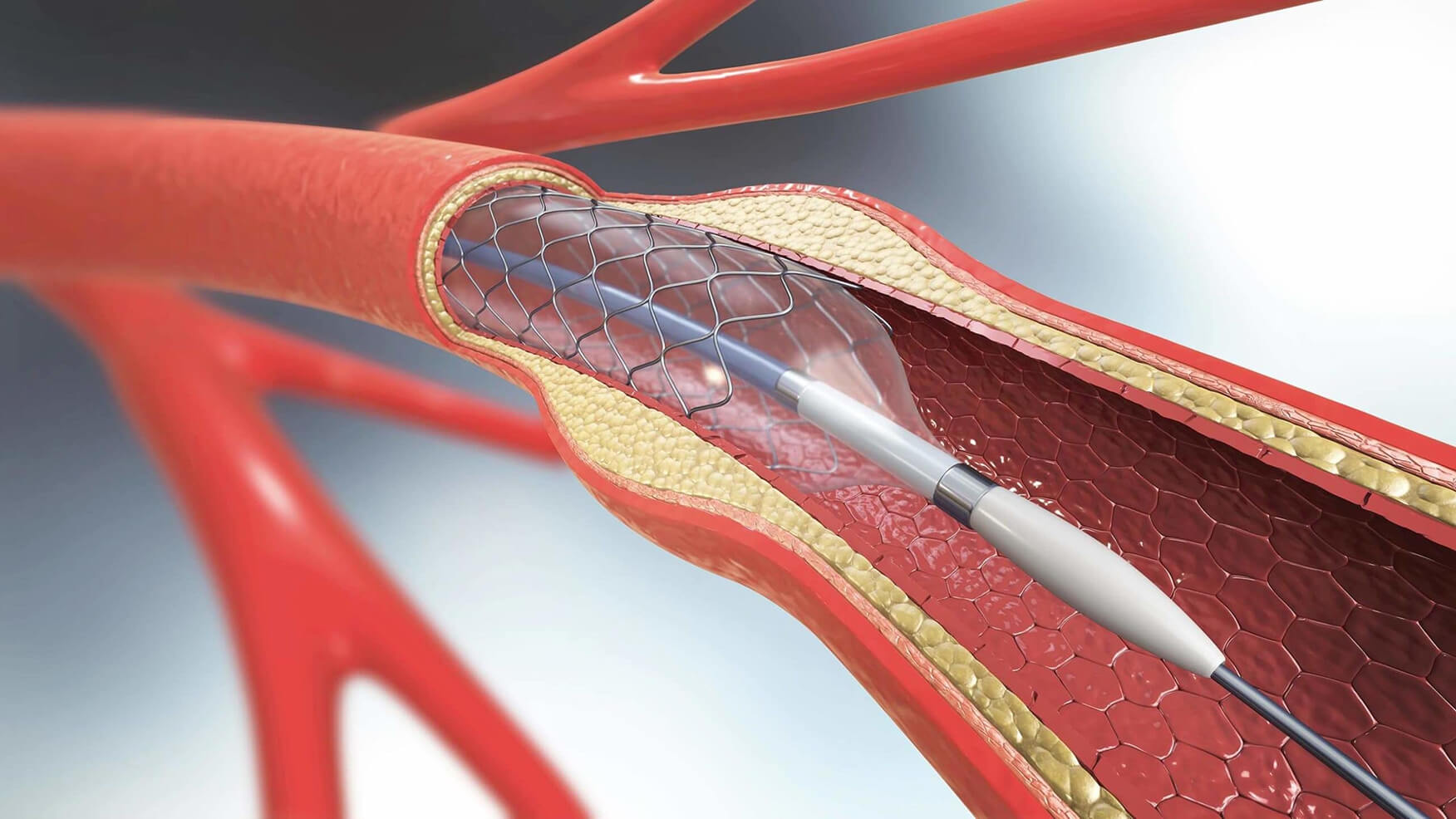
Angioplasty is a minimally invasive procedure performed to open the narrowed artery to improve blood flow. In some cases, a vascular stent may be used to keep the artery open.
During an angioplasty procedure, imaging is used to guide a catheter (a very small plastic tube) into an artery and advance it to where the blood vessel is narrow or blocked. A special balloon is inflated to open the vessel. Once the vessel is open, the balloon is deflated and removed.
In some cases, a small wire mesh (called a stent) may be permanently placed in the newly opened artery to help keep it open and blood flowing normally.

Atherectomy
Atherectomy is an alternative to angioplasty. It is a technique for removing plaque from the wall of the blood vessel using a catheter fitted with a sharp blade or burring device. The cleared plaque is then drawn into the catheter and out of the body.
Angiogram
An angiogram is a minimally invasive diagnostic procedure used to visualize arteries and detect blockages or narrowing caused by Peripheral Artery Disease (PAD). Using advanced imaging, our interventional radiologists guide a catheter through a small incision to the affected artery. A contrast dye is injected to highlight blood vessels on X-ray images, revealing any obstructions.
This precise procedure helps identify the extent of arterial issues, guiding effective treatment plans like angioplasty or atherectomy. Performed on an outpatient basis, an angiogram allows quick recovery, helping you return to daily activities with minimal downtime. In many cases, a vascular treatment can be performed during an angiogram.


Why choose minimally invasive PAD treatments?
No open surgery: These procedures require only a small incision, reducing complications and recovery time.
Faster recovery: Most patients can resume normal activities within a few days.
Outpatient procedure: Many PAD treatments are performed in an outpatient setting, avoiding lengthy hospital stays.
Effective symptom relief: Improved blood flow can reduce pain, prevent complications, and restore mobility.
FAQ for Peripheral Artery Disease Treatment

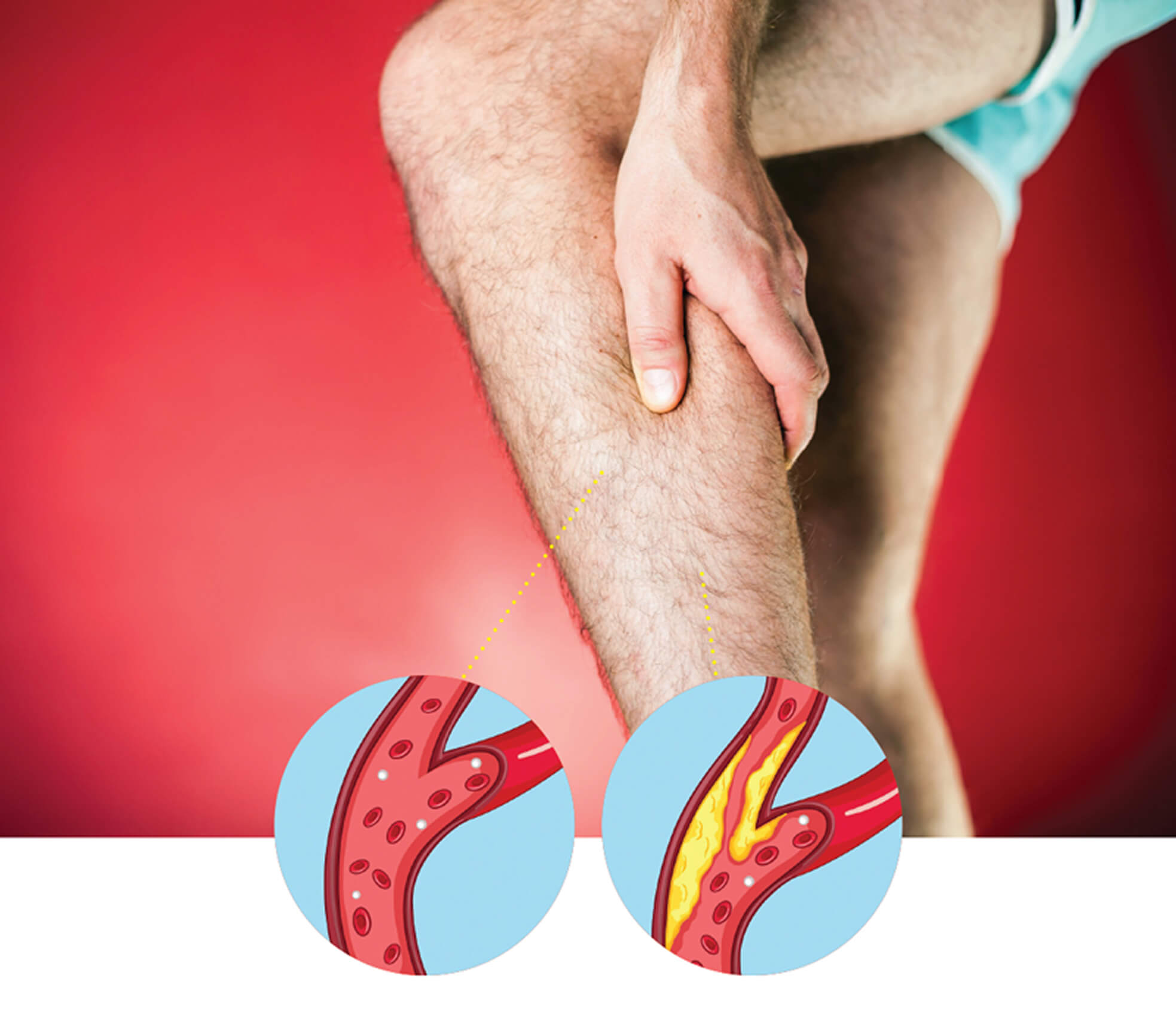
Peripheral Artery Disease (PAD) is when the arteries supplying blood to your legs become narrowed or blocked due to fatty deposits. This reduced blood flow can lead to leg pain, cramping, and other symptoms. If you’re concerned about PAD, our experts at North Star Vascular and Interventional are here to help with personalized care and advanced treatments.
Symptoms of PAD include leg pain or cramping during activities like walking or climbing stairs, numbness or weakness in the legs, coldness in the lower leg or foot, and sores on the toes, feet, or legs that heal slowly. If you’re noticing these symptoms, it might be time to get checked out. We can provide effective treatments to help you get back to your daily activities without discomfort.
Risk factors for PAD include smoking, diabetes, high blood pressure, high cholesterol, obesity, a sedentary lifestyle, and age (especially over 50). If you have any of these risk factors, it’s a good idea to get screened for PAD. Our clinic offers comprehensive screenings and can guide you through the next steps if PAD is detected.
PAD screening includes tests like the Ankle-Brachial Index (ABI) test, Doppler ultrasound, and angiography. These tests help detect PAD early, allowing for timely treatment. If you think you’re at risk, our clinic can perform these screenings and provide you with a clear diagnosis and peripheral artery disease treatment plan.
PAD can’t be completely reversed, but its progression can be managed with lifestyle changes, medications, and medical treatments. Our team can help you quit smoking, start an exercise routine, and manage your diet to keep PAD in check. We offer support every step of the way to ensure you stay healthy and active.
Peripheral artery disease treatment aims to reduce symptoms, improve quality of life, and prevent complications. This includes lifestyle changes, medications, and medical procedures like angioplasty, stenting, and bypass surgery. Our providers are experienced in these treatments and can help you find the best approach for your situation.
Most insurance plans cover peripheral artery disease treatments, including diagnostic tests, medications, and procedures. We can assist in verifying your coverage and discussing payment options. Our goal is to make sure you get the treatment you need without financial stress.
Yes, PAD can lead to neuropathy, causing pain, tingling, numbness, or weakness in your limbs. If you’re experiencing these symptoms, our specialists can help diagnose and treat the underlying PAD to alleviate your discomfort.
To manage PAD, quit smoking, eat a healthy diet, maintain a healthy weight, exercise regularly, and manage stress. Our team can provide you with a personalized plan and support to make these changes easier and more effective.
Medications for peripheral artery disease treatment include antiplatelet agents, cholesterol-lowering drugs, blood pressure medications, and medications to manage blood sugar levels. Our providers will prescribe the right medications to help manage your PAD and improve your quality of life.
Exercise, especially walking, can improve symptoms of PAD by increasing blood flow to your limbs and reducing pain. Our clinic offers supervised exercise programs to help you get started and stay motivated.
Untreated PAD can lead to serious complications like critical limb ischemia, non-healing wounds, infections, and gangrene. Severe cases may require amputation. By getting peripheral artery disease treatments at our clinic, you can avoid these complications and improve your overall health.
If you experience leg pain during walking, numbness or weakness in your legs, or non-healing sores on your feet or legs, it’s time to see a doctor. Early diagnosis and peripheral artery disease treatment can prevent complications and improve your quality of life. Our experts are ready to help you get the care you need.
Yes, PAD can affect other arteries, increasing the risk of heart attack and stroke. Managing PAD with our help can reduce these risks and improve your overall cardiovascular health.


Contact us today to schedule an appointment or to speak with one of our knowledgeable staff members.

Suite 340
Golden Valley, MN 55427